Maryam Sicard
Now that the summer holidays are drawing to a close and we turn our attention from long days exploring food trucks toward school, it’s time to think about the practical side of feeding a family.
As parents, we know that raising a teenager comes with its own set of joys and challenges especially when your teen has special dietary needs. It’s even harder when the school cafe has hit and miss options meaning kids arrive to find the normal safe option isn’t available, a big difference from the ordering system at primary school!
Whether it's due to allergies, intolerances, ethical choices, or health-related restrictions, packing a lunch that’s safe, satisfying, and actually gets eaten can feel like a daily puzzle. But here’s the good news, with a little creativity and the right tools, you can make lunchtime something your teen looks forward to.
While there’s plenty of advice out there for younger kids, teens have unique needs, they’re growing, learning, socializing, and developing habits that will last a lifetime. They want food that fuels their busy days, matches their tastes, and fits in with their friends. So, let’s dive into some practical, parent-tested tips and ideas to make lunch packing easier, healthier, and even fun.
More Than Just a Meal
For teens with dietary restrictions, lunch isn’t just about nutrition, it’s about inclusion, independence, and confidence. A well-packed lunch helps them feel prepared and proud of their food choices, rather than left out or different. By involving them in the process and focusing on foods they enjoy, you’re not just filling their lunchbox, you’re supporting their well-being in and out of the classroom.
Must-Have Lunch Packing Tools
Let’s start with the basics. Having the right containers and accessories can make all the difference in keeping food fresh, safe, and appealing. Here are our top picks:
1. Bento-Style Lunch Box
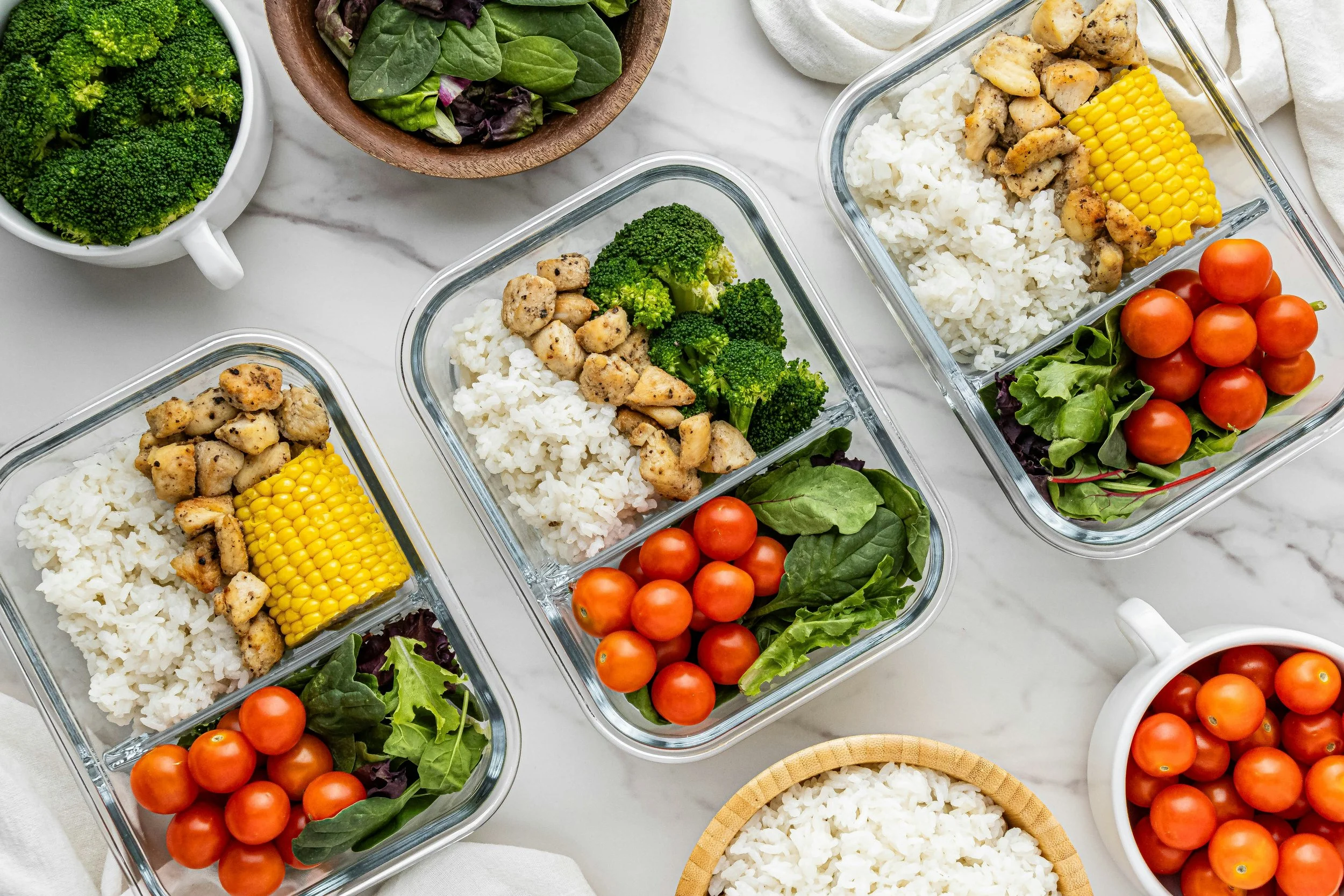
Say goodbye to soggy sandwiches! A bento box is a game-changer for special diets. With separate compartments, you can pack a variety of foods without cross-contamination or mess. It’s perfect for teens who enjoy grazing-style meals think veggie sticks, dips, crackers, and protein bites all in one neat package.
2. A Reliable Thermos
Don’t underestimate the power of a good thermos. It’s not just for warming up on chilly days it’s also great for keeping cold items like yoghurt, fruit salad, or smoothies chilled until lunch. Hot soups, stews, or even pasta can provide comfort and warmth during busy school days. A good thermos is not cheap, however ensuring it does the job means this is one area we encourage an investment!
3. Small Containers for Sauces and Sides
Hit up your local $2 store for an assortment of small, reusable containers. They’re perfect for portioning out dressings, hummus, nut-free spreads, or little treats like olives or roasted chickpeas. No leaks, no mess, just convenience.
4. Personal Cutlery and Chopsticks
Cross-contamination is a real concern in shared spaces like school cafeterias. Sending your teen with their own cutlery or chopsticks is a simple yet effective way to reduce risk. Plus, it adds a personal touch to their meal.
5. Toastie Maker or Panini Press
These aren’t just for weekend treats! A toastie maker (or jaffle maker) can transform gluten-free bread and fillings into warm, crispy sandwiches that taste far better than the standard lunchbox fare. No toastie maker? A frying pan works just as well for creating those perfectly golden, pressed sandwiches. Wrap any precooked sandwiches in foil or a paper towel to reduce condensation.
Getting Your Teen Involved
We get it, teens can be picky, and their tastes might change from week to week. The best way to ensure their lunch gets eaten? Let them have a say. Sit down together and make a list of their favourite foods and lunch ideas. Maybe they’ve seen something online, tried a friend’s snack, or are craving a specific flavour. Involving them not only makes them more excited about their meals but also teaches them to make mindful choices about what they eat.
It’s okay if some ideas aren’t feasible due to time or budget, use it as a chance to brainstorm alternatives together. The goal is to find a balance between what they love and what works for your family.
Lunch Ideas They’ll Actually Love
Here are some of our family’s go-to lunch options that are both filling and friendly for various dietary needs:
Mains:
Cold Gluten-Free Pasta Salad: Tossed with vegan pesto or tomato passata (a spoon of Dolmio works great!) and a sprinkle of nutritional yeast for a cheesy flavour boost.
Gluten-Free Toasted Sandwiches: Stuffed with baked beans or creamed corn, simple, warm, and satisfying.
Bean and Vegan Cheese Burritos: Wrap them tightly in foil for easy handling, and pack with a side of salsa or guacamole.
GF Vegemite Sandwich on Toasted GF Bread: A classic favourite! We’re big fans of Woolworths’ gluten-free bread, it toasts beautifully and holds up well.
Tortilla Pizzas: Layer two wraps with tomato passata, vegan cheese, olives, mushrooms, or other toppings, then toast them together like a sandwich. Slice into wedges for a pizza-like treat.
Snacks and Sides:
Fresh Fruit: Aim for two pieces -think apples, mandarins, or bananas.
Leftovers: Don’t let those small portions go to waste! Use little containers to pack last night’s roasted veggies, grains, or proteins.
Dried Chickpeas: Seasoned and roasted until crunchy, they’re a protein-packed alternative to chips. (Honestly, the recipes can be hit and miss, we buy these ready-made get the bulk bag rather than the individual serves!)
Homemade Bliss Balls: Cheaper and tastier than store-bought versions. Add essences like peppermint or strawberry to keep things interesting.
Baked Goods: Muffins, biscuits, or slices made with gluten-free or allergy-friendly ingredients.
Peckish Crackers: Light, crunchy, and perfect with dips or spreads.
Nuts or Seeds: If allowed at school, these are great for extra energy and crunch. If you can’t have nuts, seaweed snacks are a great nutritious alternative.
Why This Approach Works
This lunch-packing strategy isn’t just about filling a box, it’s about creating meals that are:
Nutritious: Packed with proteins, fibre, and vitamins to keep your teen energised.
Varied: Rotating options prevent lunchtime boredom and encourage adventurous eating.
Budget-Friendly: Using leftovers, seasonal produce, and homemade items helps keep costs down.
Safe: With dedicated containers and utensils, you minimise the risk of cross-contamination.
Most importantly, these are lunches that teens will actually enjoy and look forward to eating. When food is both safe and delicious, it empowers them to take ownership of their diet and feel confident in their choices.
Final Thoughts
Packing lunches for a teen with special dietary needs might seem daunting at first, but it’s also an opportunity to get creative, connect with your child, and set them up for success. Remember, you’re not alone, there’s a whole community of parents navigating the same journey, sharing ideas and support.
By focusing on flexibility, involvement, and a bit of fun, you can turn lunch-packing into a positive routine that benefits the whole family. Here’s to happy, healthy teens and stress-free school days!