
A food intolerance is a non-allergic reaction to a food, such as lactose, onion and garlic, or other FODMAPs. It doesn't involve the immune system the way an allergy does, and how badly you react usually depends on how much you eat. When you eat out, the most useful thing you can do is tell the restaurant exactly what you avoid, where it might be hiding, and how strict you need them to be.
Intolerance or allergy: why the difference matters when you order
An allergy is an immune response. For some people a tiny amount can cause a serious reaction, so the kitchen has to think about everything the dish touches: boards, utensils, fryers and hands.
An intolerance is a reaction that doesn't involve the immune system. It most often shows up as digestive symptoms like bloating, cramps and an upset stomach, but some people get rashes, headaches, tiredness or brain fog. Symptoms usually start within a few hours of eating and can last for hours or even days. An intolerance means that, for whatever reason, a type of food makes you unwell.
For most people the amount matters, so a trace on a shared pan is often fine while a garlic-heavy sauce is a problem. Everyone with an intolerance has a different threshold for what they can eat, so it's worth knowing yours and telling the kitchen.
Intolerance symptoms can be severe. Pain, exhaustion and brain fog can knock some people out for days, and living with them can affect work, sleep and social life. So while an intolerance isn't usually a risk to your life the way an allergic reaction can be, it deserves to be taken seriously. It can definitely ruin your night or, like me, the next week! The one exception to know about is sulphites (found in wine, dried fruit and some preserved foods), which can cause serious reactions in some people, particularly those with asthma. If sulphites affect you, treat them with the same care as an allergy and talk to your doctor.
Coeliac disease is different again. It's an autoimmune condition, and even crumbs matter. We cover it separately in our coeliac guides.
Some people describe an intolerance as an allergy so it gets taken seriously. We get why. Describing exactly what you need works better: the kitchen can often offer you more choices, and the word "allergy" keeps its weight for the diners whose safety depends on it.
The intolerances you'll meet most often on a menu
Lactose. Lactose is the sugar in milk. It shows up in milk, cream, soft cheeses, ice cream and creamy sauces. Many people with lactose intolerance can manage small amounts, or aged hard cheeses and butter, which contain very little lactose. Others can't. Know your own threshold, and remember that "lactose free" and "dairy free" mean different things on a menu.
Onion and garlic. Both are high in fructans, a type of FODMAP, and they're the hardest triggers to avoid when you eat out because so many dishes are built on them. Onion and garlic free diners are some of the most underserved people at the table.
Other FODMAPs. FODMAPs are a group of carbohydrates some people struggle to digest. Common ones on menus include honey, apple, some legumes, wheat in large portions and sweeteners like sorbitol. A low FODMAP diet is usually worked out with a dietitian, so if you're new to it, start there.
Gluten intolerance and non-coeliac gluten sensitivity. Clinically, these are treated as the same thing: a reaction to gluten without the autoimmune response or long-term gut damage of coeliac disease. In practice, people use the two names to describe quite different experiences. For some it's the sore belly: bloating, cramps and discomfort after bread or pasta, and many can manage small amounts. For some of them the real trigger is the fructans in wheat, the same FODMAP found in onion and garlic, rather than the gluten itself. For others it feels much more like coeliac disease, with gut pain, fatigue, brain fog, headaches and joint pain, and they need to be far stricter. Whichever describes you, tell the kitchen how strict you need them to be, because the name alone won't tell them.
Because gluten symptoms overlap with coeliac disease, it's worth being tested for coeliac before you cut gluten out, since the test only works while you're still eating it.
Eggs. An egg intolerance is different from an egg allergy and usually shows up as digestive symptoms. Eggs turn up in more places than you'd expect: fresh pasta, aioli and mayonnaise, batters and crumb coatings, egg wash on pastry and buns, custards, meringue, hollandaise, and as a binder in burger patties and veggie fritters.
Nightshades. Nightshades are a plant family that includes tomatoes, potatoes (but not sweet potatoes), eggplant, capsicum, chilli, cayenne and paprika. Research on nightshade intolerance is limited, but some people find they feel better without them. They're tricky to avoid because they hide in spice blends, curry bases, sauces and paprika-coloured coatings, and potato starch is a common thickener and an ingredient in a lot of gluten free baking.

Where intolerance triggers hide in restaurant food
Stocks and gravies: most start with onion and garlic.
Marinades, rubs and spice blends: garlic powder, onion powder and paprika are everywhere.
Sauces and dressings: aioli, pesto, curry bases, tomato sauces and many dressings.
Butter finishes: steaks, vegetables and pan sauces are often finished with butter.
Soups, mash and risotto: cream, butter and parmesan are common.
Pasta and baking: fresh pasta often contains egg, baking leans on wheat, butter, milk and eggs, and gluten free baking often swaps in potato starch.
Desserts: cream, custard, ice cream and honey.
The dish name rarely tells you any of this. Ask about the base.
What to ask, and how to ask it
Say what you avoid and how strict you are. For example: "I can't have onion or garlic, including in stocks or sauces. A small trace won't hurt me, so you don't need to change pans."
Ask about the base of the dish. "Is the sauce made with a stock or an onion base?" gets a more useful answer than "Is this onion free?"
Ask what can be left off or swapped. While many kitchens make sauces and dressings to order it doesn’t always mean the recipe can be adjusted, ie A hollandaise without egg, for example, simply isn't hollandaise. Asking for the sauce to be held or served on the side, so you can limit how much you have, is often an option. You can also ask your server what the chef would recommend instead. Have a plan B dish you'd enjoy, and expect to be a little flexible.
Ask for the kitchen to confirm. Front-of-house staff pass on your request, and the kitchen knows exactly what went into the dish. Ask your server to check with the chef.
Organising for a group? Put it in the booking. If you're booking for someone with an intolerance, add it to the booking notes. The kitchen can plan ahead, and your guest doesn't have to explain themselves at the table.
Why intolerances get a hard time
Fair or not, people with intolerances are often judged harshly, and we don't think that's fair. Some of that scepticism comes from what happens behind the kitchen door.
Say a diner tells the restaurant they're coeliac, then orders a slice of cake that isn't gluten free. The kitchen may have just done a full gluten free clean-down for their meal. That costs time and money in very real terms, and next time a diner mentions gluten, the team may wonder how seriously to take it. That's how one mixed message ends up making life harder for everyone who needs gluten free food.
The best way to get taken seriously is to be precise. Tell the kitchen exactly what you avoid and how strict you need them to be, and they can plan your meal properly.
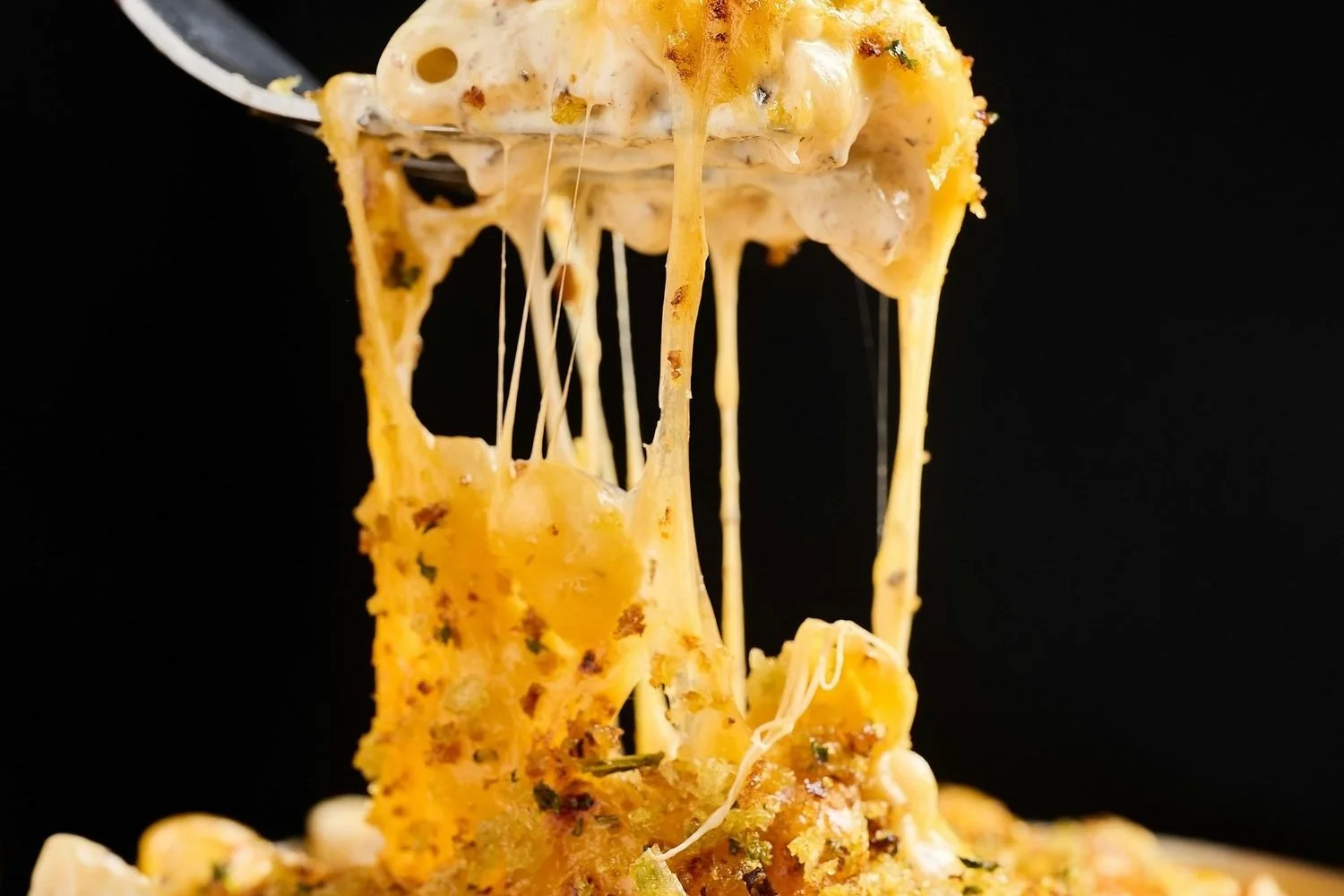
Sometimes a dish still won't suit you. Most venues are happy to make a simple swap, but if changing several ingredients would mess up their systems, or create a dish they aren't proud of, a chef may say no. That's where we come in. On Eat Choice you can easily see which dishes suit your needs, and which restaurants welcome you.
How Eat Choice helps
Eat Choice shows you the actual dishes a restaurant lists for your dietary needs, so you can see what's on offer before you book. Restaurants opt in and choose what they're comfortable listing, and the kitchen always has the final say on your meal, so it's still worth confirming your needs when you order.
If you're unsure whether you have an intolerance, an allergy or something else, talk to your GP or a dietitian. They can help you work out what's going on and how strict you need to be.
Find dishes for your dietary needs on Eat Choice. #eatchoiceapp