What Our "No Added / Could Contain / Allergen Minimised" System Actually Means
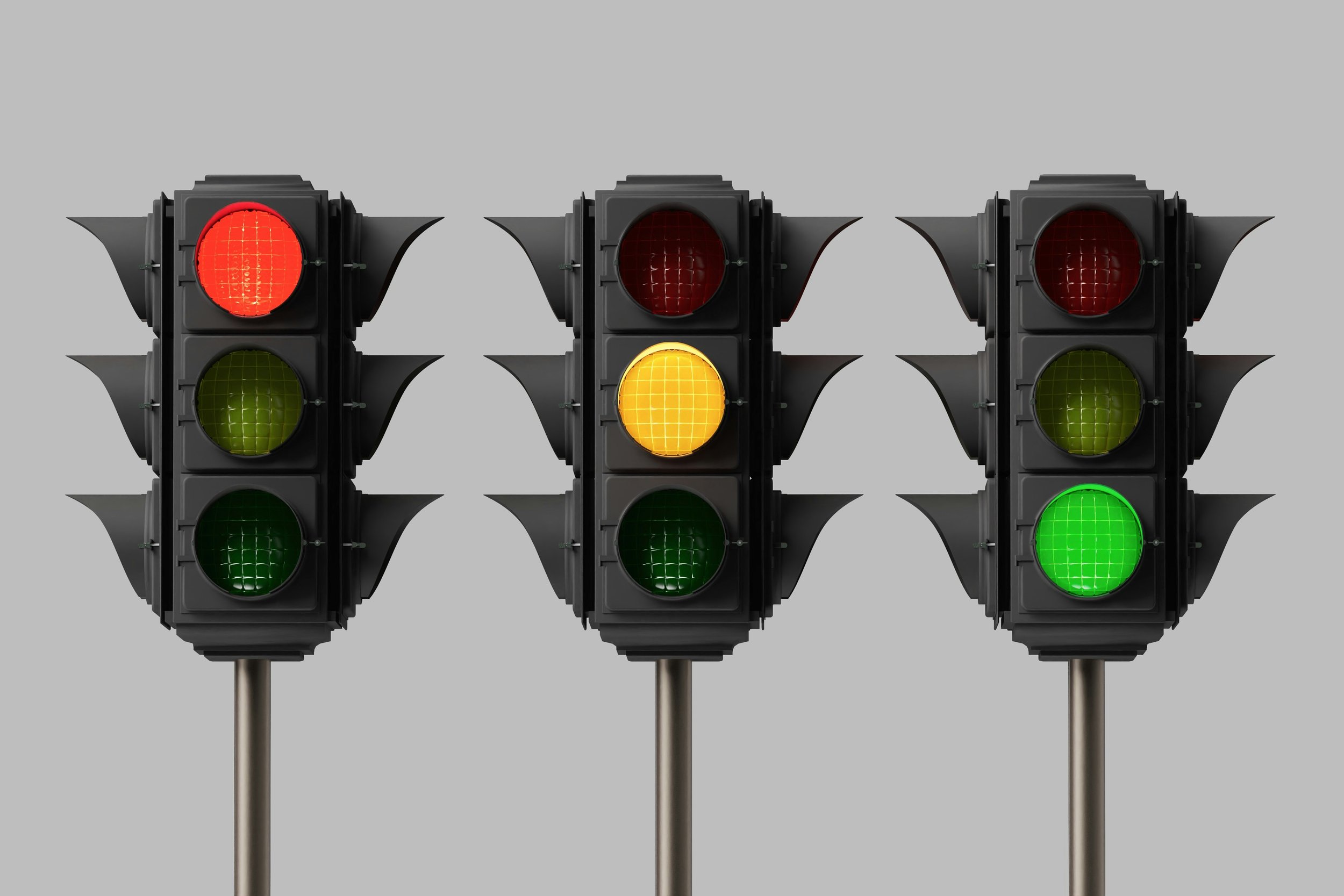
Igor Omilaev - Unsplash
If you've spent any time in the Eat Choice app, you've seen the three tags to choose from: No Added, Could Contain, and Allergen Minimised. They look simple enough, but we get asked about them a lot, usually by people who've been burned before by a menu that just said "gluten-free" and left it at that. So here's the plain-language version of what each tier actually means, why we built three instead of one, and how to use them at the table.
No Added
This means the allergen wasn't used as an ingredient in the dish. If you're avoiding dairy and a dish is marked No Added Dairy, there's no milk, cheese, butter, or cream in the recipe.
Example: a tomato and basil pasta made with an oil-based sauce. No dairy goes into the pot, no dairy goes on the plate.
What it doesn't mean is that the ingredients are certified dairy-free, or that storage and serving haven't introduced trace amounts of dairy. No Added is a statement about the recipe, not a guarantee about the environment it was prepared in. These dishes are ideal for diners with intolerances who aren't concerned about cross-contamination.
Could Contain
This is the tier that causes the most confusion, so it's worth being direct about it. Could Contain means there's a real, identified risk of cross-contact that hasn't been fully controlled. It's not a shrug, and it's not legal cover language. It's us telling you plainly that the kitchen shares space, equipment, or oil with the allergen in question, and hasn't (yet) put a verified process in place to manage that.
Example: a gluten-free pizza base has a "may contain" statement on the packaging, or is made in close proximity to regular pizza bases on shared trays. The restaurant takes reasonable care to avoid cross-contamination but acknowledges their processes don't completely eliminate the risk.
Allergen Minimised
This is the tier we ask restaurants to work hardest for, and it's the one we're happiest when a kitchen accepts it. Allergen Minimised means the kitchen has taken specific, verified steps to reduce cross-contact risk as far as reasonably possible for that allergen: separate prep areas, dedicated equipment, staff training, and ingredient storage protocols. Restaurants need to opt in to this level.
Example: a seafood-free Pad Thai made in a kitchen with a dedicated allergen-free prep zone, its own utensils, and a documented cleaning process between orders.
Even here, we still want you to ask your server to check with the kitchen before you order. Front-of-house staff are brilliant at a lot of things, but they're not always across every ingredient swap or supplier change from that morning. The kitchen confirming on the day is still the final step, even for a dish that has our highest tier.
Why three tiers instead of one "safe or not safe" tag
A single safe/not safe binary sounds simpler, but it's actually less honest. It forces every dish into one of two boxes when the real world doesn't work that way. A dish with no allergen in the recipe but real cross-contact risk isn't the same situation as a dish cooked in a fully controlled, verified environment. Collapsing those different realities into one tick or cross either overstates the risk on dishes that are actually fine, or understates it on dishes that need more care. Three tiers let us tell you the truth about where a dish sits, instead of rounding it up or down to fit a label.
How to actually use each tier at the table
No Added: a good starting point for browsing, ideal for diners with intolerances or preferences.
Could Contain: treat this as a prompt to ask more. It's your cue to talk to your server about what "could contain" means for that specific dish, that specific day. Sometimes the answer will put your mind at ease. Sometimes it won't, and that's exactly the point of the flag. This is ideal for diners with stronger intolerances, or a higher risk tolerance for their allergies. We still recommend diners with allergies and coeliac disease stick to our highest level.
Allergen Minimised: restaurants that have opted into this level are confident they can serve a safe meal. As always, we can never guarantee there's no risk of cross-contamination. Again, ask your server to confirm with the kitchen, especially if you have coeliac disease or an anaphylactic allergy. Kitchens change suppliers, run out of dedicated equipment, or need to adjust their processes for your meal. You should always inform your server of your allergies at the time of booking, on arrival, and when ordering.
How restaurants move between tiers
Tiers aren't fixed forever. We see restaurants move up as their process improves, and that's the goal. A venue might start with a dish flagged Could Contain because they're sharing a fryer, and six months later they've invested in a dedicated gluten-free fryer and a documented protocol, choosing Allergen Minimised status for that dish. We re-verify with restaurants regularly, so the tag reflects where their process stands now, not where it stood when they joined the platform.
It works the other way too. If a restaurant changes suppliers or loses a staff member central to their safety protocol, a dish can move back down a tier until it's re-verified. We'd rather a tag change than a diner get caught out.
Why we built it this way
At the end of the day, the three tiers exist for one reason: to give you more accurate information, not more categories to memorise. We didn't set out to make dietary dining more complicated. We set out to stop restaurants and diners from talking past each other, where "gluten-free" meant five different things depending on who you asked. All three still end with the same step. Ask your server to check with the kitchen. The tiers just mean you're walking into that conversation already knowing what to ask.