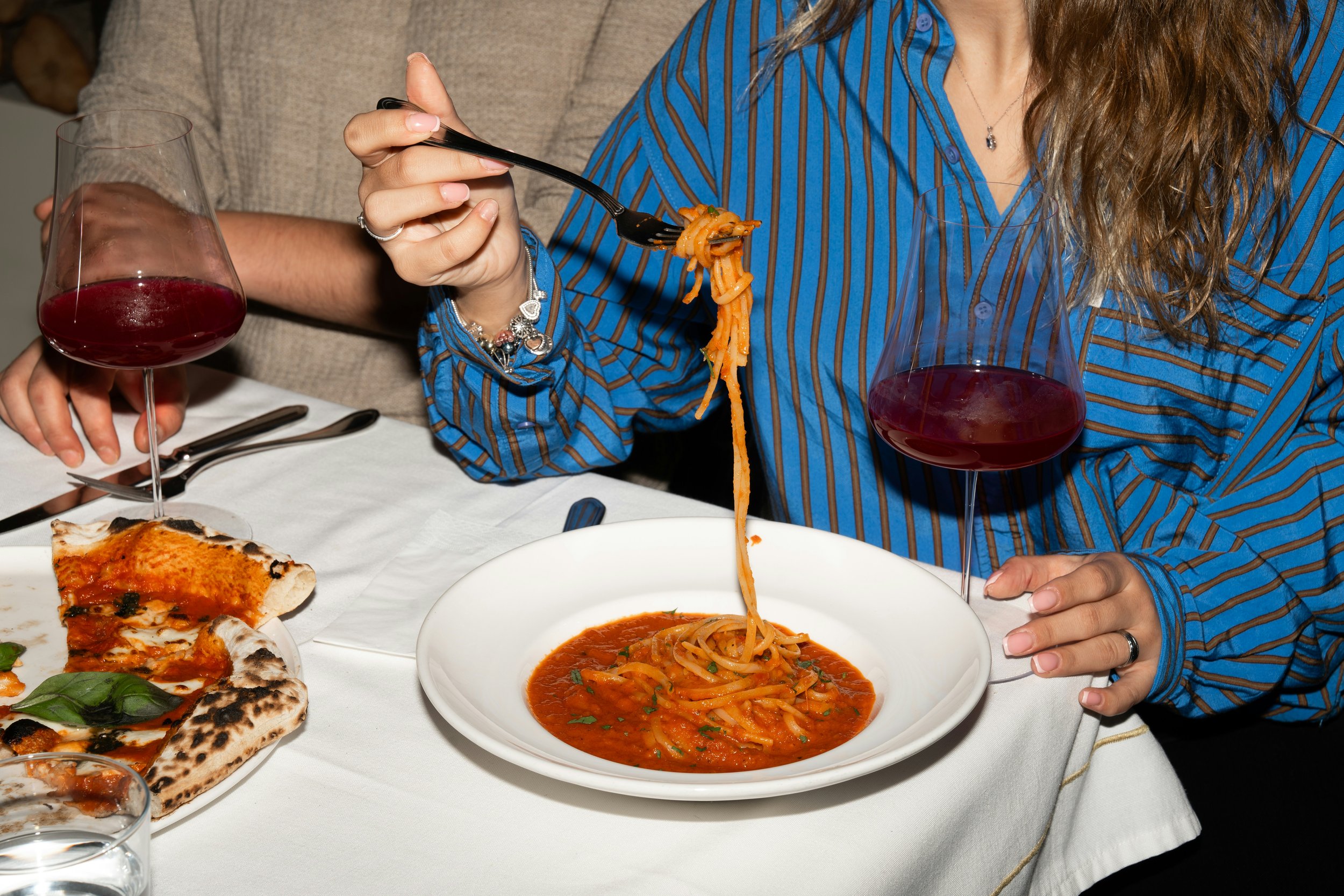
Ahmet Kurt - Unsplash
Are you taking a friend out to dinner, or perhaps you're newly diagnosed with coeliac disease? Here's our guide to decoding the menu.
In New Zealand, a menu item labelled "gluten-free" means the dish has been prepared without wheat, barley, rye, oats, or any other gluten-containing ingredients. It should automatically mean the dish is safe for coeliacs, but in practice it often doesn't.
Here's our guide to navigating gluten-free labelling at restaurants and cafés, because the tag doesn't tell you how the food was prepared or whether it touched gluten-containing ingredients during manufacture, storage, and cooking.
"Gluten-free" vs "gluten-friendly" vs "no gluten ingredients." There's a fair amount of confusion about how to best describe meals that don't contain gluten. Without specific clarification, you should assume any label other than "gluten-free" is unsafe for coeliac consumption.
The venue misunderstands the code. Some restaurants and cafés are still using the term "gluten-free" in the wrong context, either because they're unaware of updates to the safety code or because they misunderstand the nature of gluten. In this case, a gluten-free label usually refers to the recipe, not the kitchen. Fries cooked in the same oil as battered fish are still "gluten-free" by ingredient, but not safe by process. Tongs might be shared between items, or sandwiches stored beside biscuits.
What coeliacs need beyond the menu. If you have coeliac disease, it's important to get your server to check with the kitchen before ordering. They know best whether your meal will be safe at that time. For example, they may not have the GF fryer that day, or they may have an incorrect understanding of "gluten-free."
What a truly safe process looks like. When a coeliac-safe meal is requested, the kitchen is often required to follow quick cleaning protocols: clearing an area to prepare your meal, and changing cutting boards, knives, and measuring and cooking equipment. Ingredients are stored separately or above foods containing gluten. This process disrupts service and adds cost to the meal. Restaurants and chefs are happy to take care of diners, but frustration does occur if it turns out coeliac-safe levels of preparation weren't needed. So, if you don't have coeliac disease or an allergy, consider whether cross-contamination is a necessary concern for you.
What if you fall ill? It happens. Even with the best care and attention, accidents can occur for a variety of reasons. If you become unwell after dining and are very sure the restaurant was the source, we recommend getting in touch as soon as possible via email with as much detail as possible. This not only helps you with any complaint you wish to make, but it also enables the restaurant to quickly assess their protocols and find where things went wrong. We strongly recommend you don't go to social media to complain without at least giving the restaurant the opportunity to make things right. We've seen great cafés stop serving GF meals because of this, when the real culprit was an ingredient mislabel.
This is exactly the gap our three-tier system, No Added, Could Contain, and Allergen Minimised, is built to close. It separates "the ingredients are fine" from "the kitchen has verified the process."
The takeaway: don't just look for the word "gluten-free," ask how it's prepared. We let you know which venues are able to cater to coeliac disease, so when you ask, you should always feel assured of a safe and delicious meal.